Workshop topics
Sessions that sharpen prompts, drafts, research, meeting follow-up, and quality reviews.
View MSAI workshopsAI Training and Workshops
Workshops practice the daily work — drafts, research, meeting follow-up, quality checks — and build prompting, verification, privacy, and when-to-involve-a-person habits.
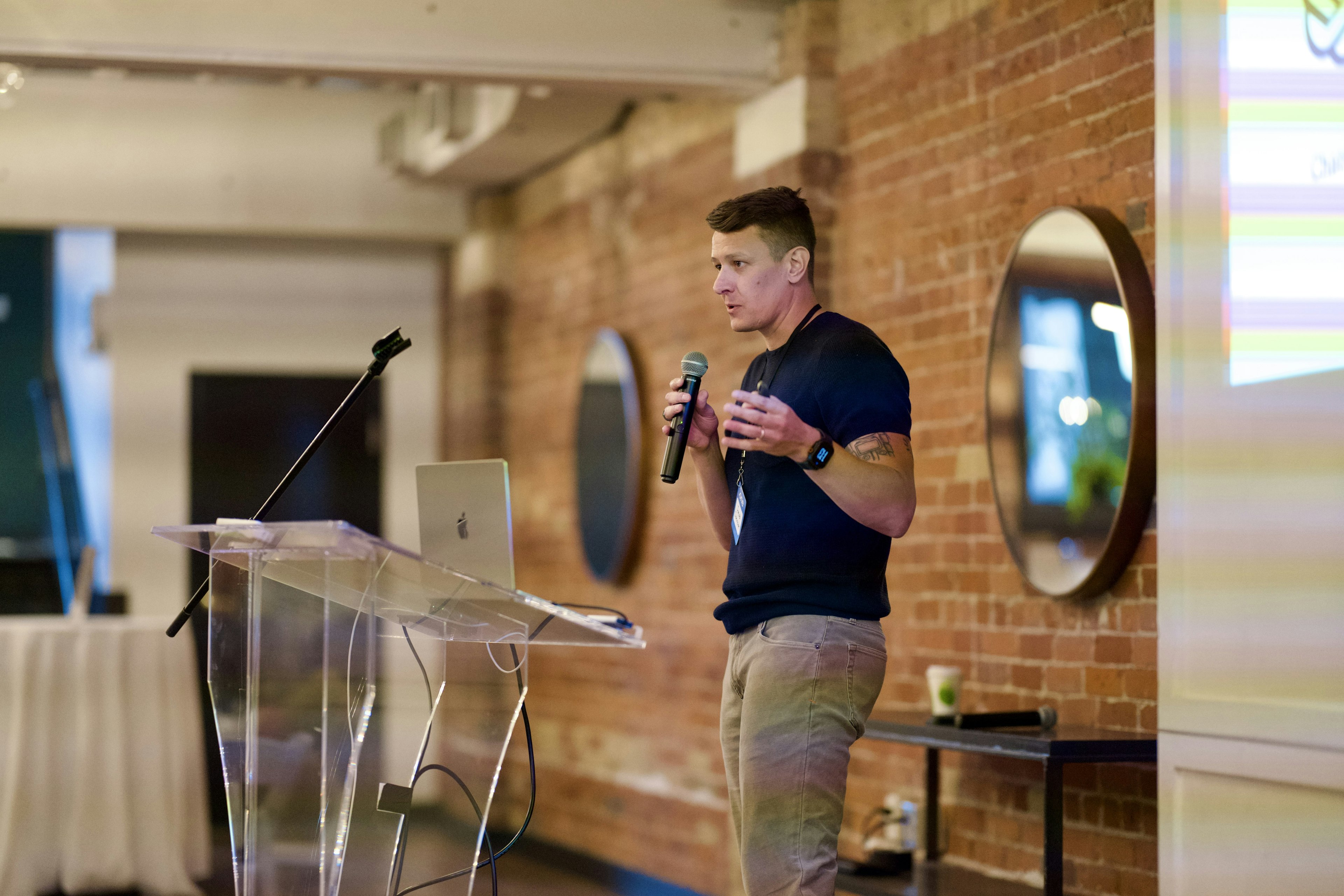
Sessions that sharpen prompts, drafts, research, meeting follow-up, and quality reviews.
View MSAI workshopsCoaching, prompt libraries, and reviews that turn training into daily habits.
View MSAI servicesWhen one workflow stands out, we help decide whether it is worth building.
Review a workflowTraining snapshot
Training works when it starts with the work, tools, and risks your team already has.
Best for
Teams with AI access who need safer, sharper daily use.
What we plan
Audience, tools, real tasks (drafts, research, meetings), risks, and the habit that should change.
What you get
A workshop plan with prompts, verification steps, privacy rules, and follow-up options.
Training paths
Pick the session by the daily task — drafting, research, meeting follow-up, or quality checks — and the habit that should change.
Leadership
Set direction, risk boundaries, and shared language for AI use.
Teams
Practice on real tasks: drafts, research, meeting follow-up, and quality checks.
Guardrails
Make privacy, verification, and "involve a person" decisions a habit, not a memo.
Adoption
Capture the use cases worth coaching, testing, or building next.
How training starts
We pick the audience, outcome, session, and follow-up before the workshop.
Name the audience, tools, and reason AI is on the table.
Choose the one skill or habit the team should leave with.
Set the format, examples, exercises, prep, and internal context.
Decide whether training leads to coaching, adoption support, or a workflow review.
Tell us who needs training and what should improve. We'll suggest the right format.
Request a WorkshopTell us who needs training and what should improve. We'll recommend the right format.