
Four Ways Manufacturers Can Effectively Engage and Retain Employees
Manufacturing organizations have faced significant workforce challenges in recent years. The 2023 State of Manufacturing in Missouri report identified “workforce issues,” including employee recruitment, engagement, and retention, as the number one challenge facing manufacturers today. This same research also indicated that most manufacturing leaders expect their organizations will continue to face workforce challenges for at least the next five years.
Hiring is a primary challenge for manufacturers right now and will remain a top concern in coming years. Unemployment is at record lows, and finding candidates will continue to be tough. In light of this, manufacturers’ best strategy for overcoming workforce challenges is to prioritize engaging and retaining current employees.
Moving Beyond Compensation
Conversations about employee engagement and retention too often focus on one thing: compensation. Manufacturers are led to believe that if they simply increase wages, employee engagement and retention will increase, as well.
What we know today is that compensation is only one very small piece of the employee engagement equation. In fact, research increasingly indicates that compensation is an ineffective tool when it comes to inspiring engagement or satisfaction in employees.
So how can manufacturers fight the tide of turnover and low engagement? There are four specific, non-compensation strategies manufacturers can use to improve employee engagement, including:
- Be intentional about training and development
- Set and talk about goals
- Create a sense of community
- Invest in your managers
Be Intentional about Training and Development
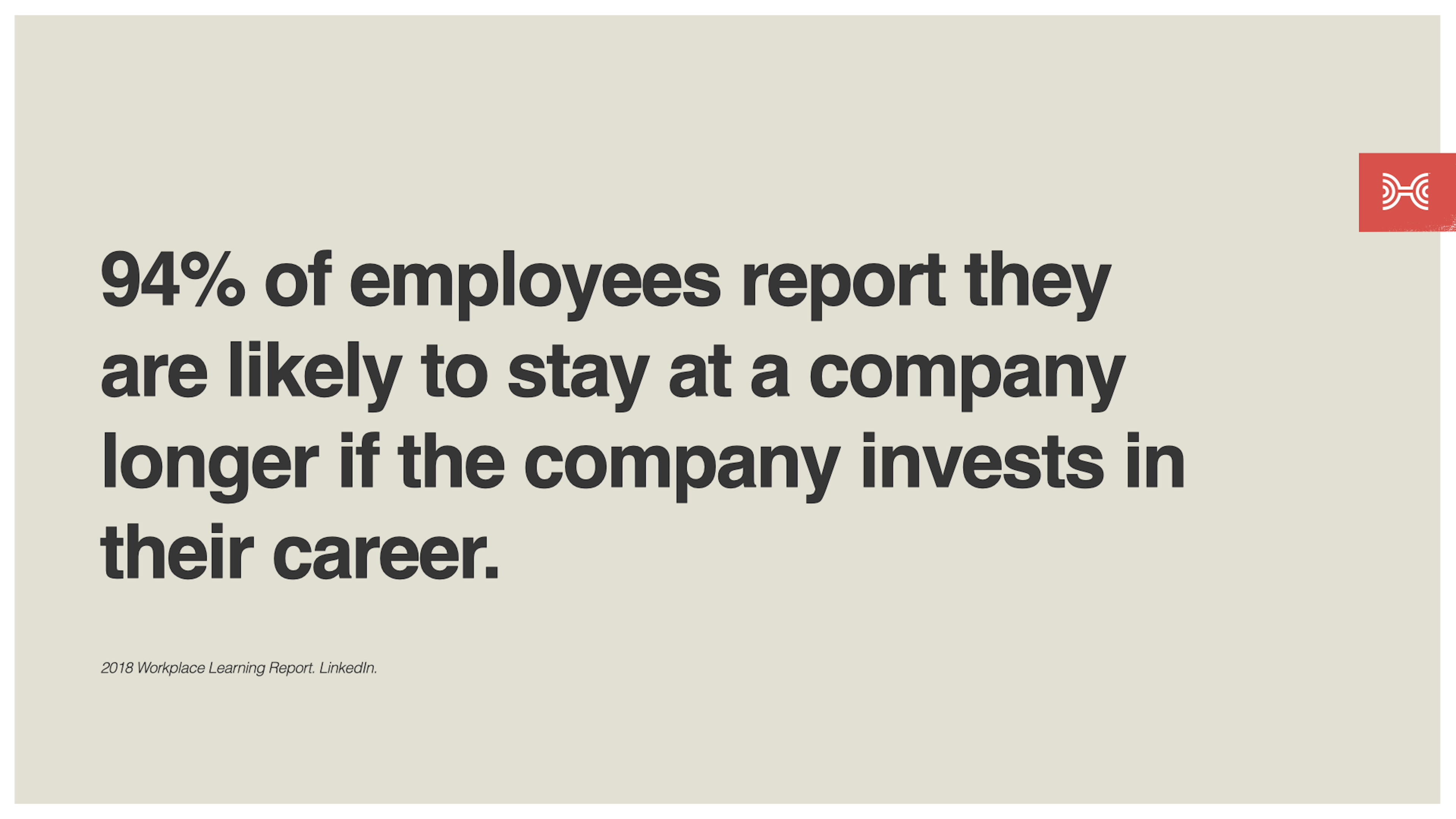
Employees who feel that their employer is investing in them are much more likely to stay with and advocate for the organization, both internally and externally. Manufacturers should be intentional about making training and development opportunities available to team members across all levels of your organization - regardless of title, supervisory duties, or tenure.
Pathways for growth and development don’t have to be exclusively vertical. Rather than a traditional ladder, consider thinking of your organization’s career development opportunities as a jungle gym - a place where team members can move horizontally, diagonally, or vertically. Manufacturing managers should partner with team members to identify growth opportunities and tasks where team members naturally excel. Building and promoting multiple pathways signals to employees that the organization is a place where they can continue to develop, even if it means shifting teams or departments.
Set and Talk about Goals
Well-crafted goals are a powerful tool for employee engagement and retention. Manufacturers can enhance engagement and retention by implementing collaborative goal-setting processes, where employees play an active role in developing their personal and team-wide goals. Research shows that 80 percent of employees who are involved in setting their own goals are more likely to report high levels of motivation at work.
After setting individual and team goals, it’s important to consistently remind team members of how these goals support the overall performance of your organization. Employees who see and understand how their performance influences the overall organization are 10x more likely to be motivated at work.
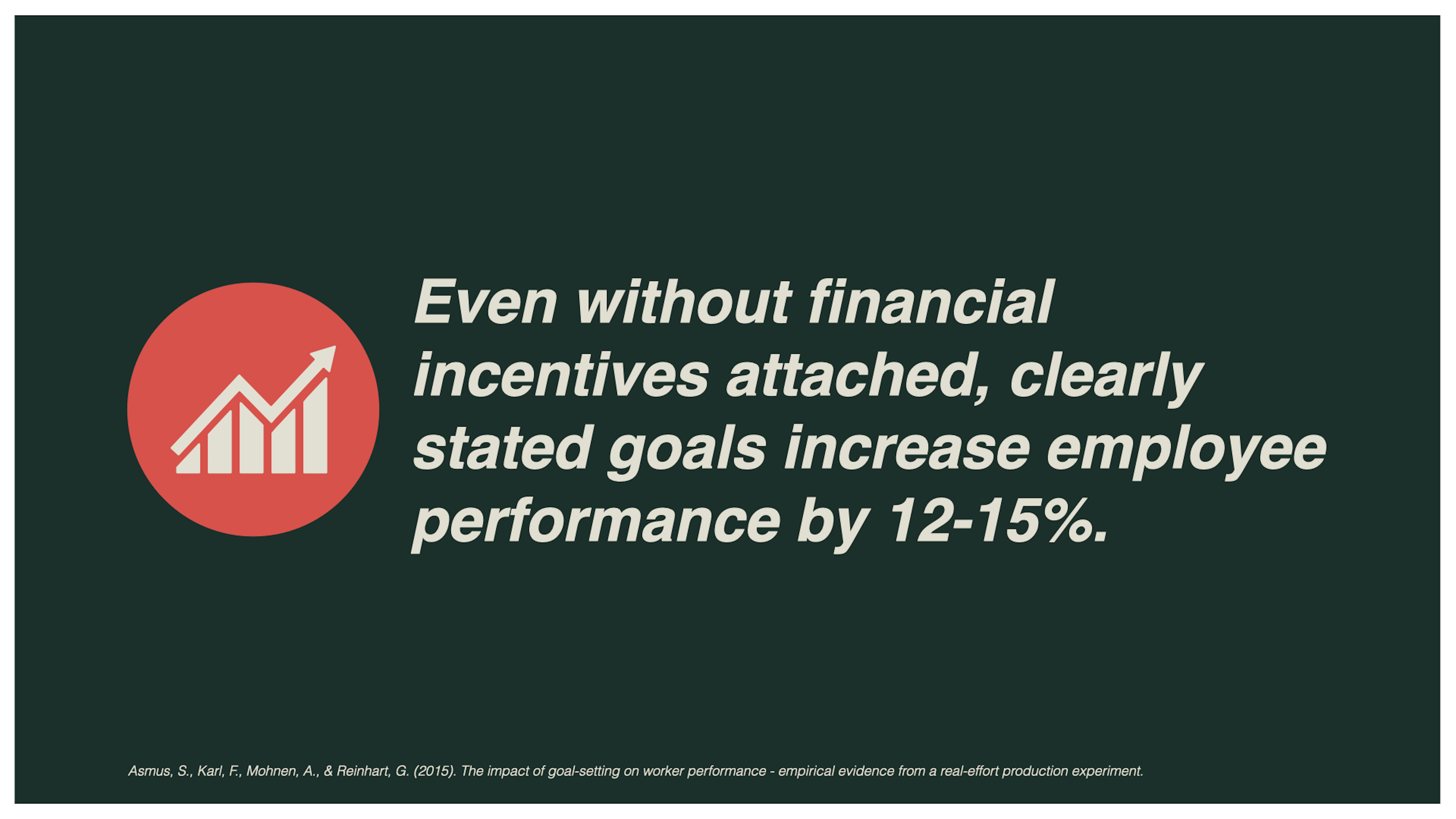
Manufacturers will see the greatest impact from goal-setting when teams and managers also make time for consistent feedback and review. We recommend developing a simple scorecard to document goals and the progress made toward them, with time set aside for review each month or quarter.
Create a Sense of Community
Fostering a sense of community within your organization is an important piece of any employee engagement and retention strategy. Team members who have the opportunity to connect with others and develop meaningful relationships are more likely to feel committed to an organization, and employees who are satisfied with their social connectivity at work are nearly three times more likely to be engaged and productive. Recent studies from Gallup have also identified a strong relationship between having a “best friend at work” and important outcomes such as employees' likelihood to recommend their workplace, their intent to leave, and their overall satisfaction with their workplace.
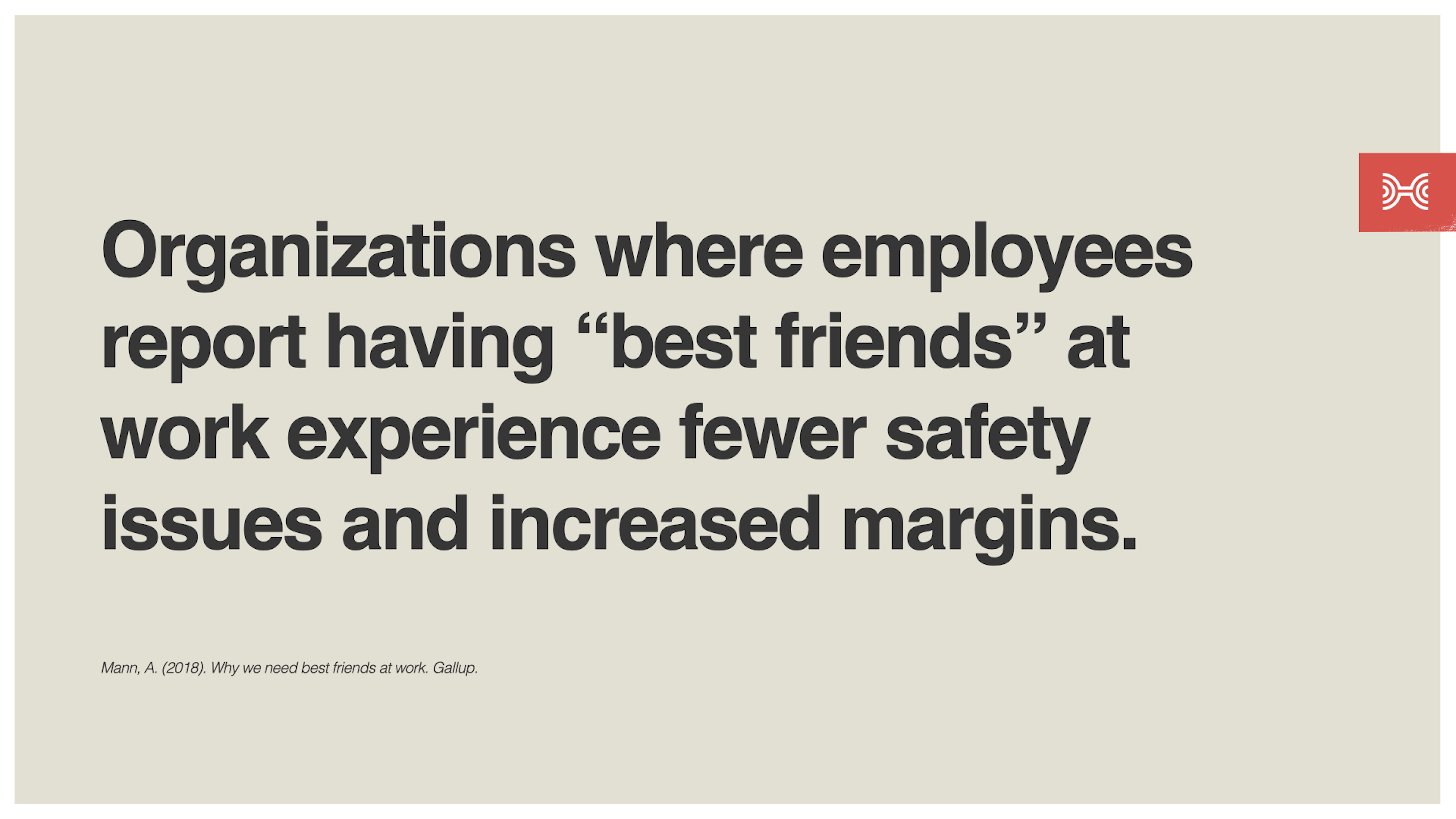
Manufacturing leaders can help foster a sense of community by first demonstrating this commitment themselves. Team members take behavioral cues from managers and executives, so make it clear that camaraderie is a priority and be intentional about forming connections.
Organizations should also consider the ways in which they can promote both spontaneous and pre-planned socialization. Consider how team structures and/or processes might be modified to promote more natural socialization, and pair those changes with preplanned social events that give team members time to connect.
Invest in Your Managers
No employee engagement or retention effort is likely to be effective if manufacturers don’t also invest in their managers. There are simply few development opportunities, goal structures, culture initiatives, or compensation packages that can overcome a poor management relationship.
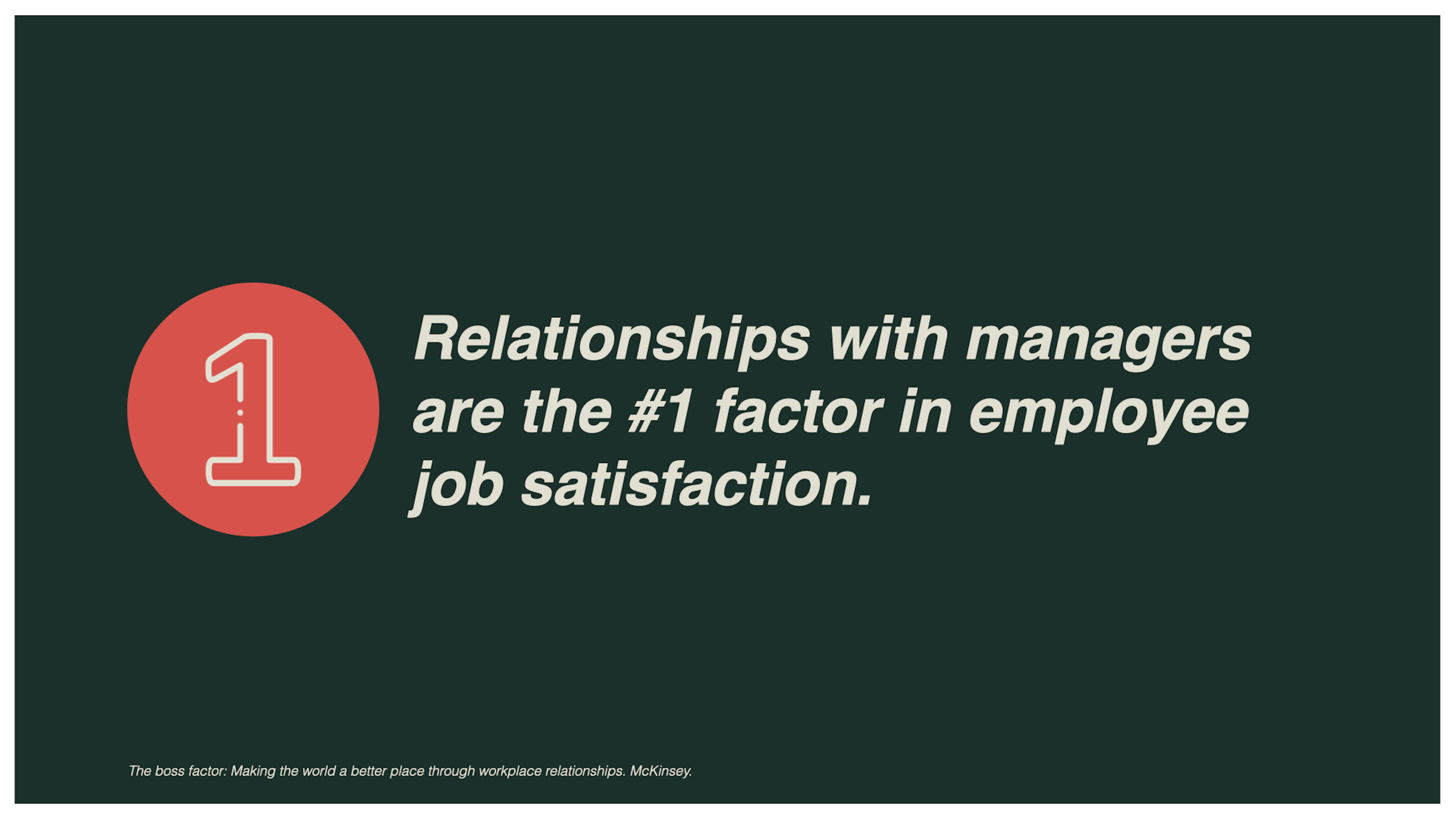
Manufacturers often promote high-performing team members into management roles. This means your supervisors may have deep institutional knowledge, but don’t necessarily have experience building teams, instilling accountability, or communicating a vision. And, perhaps more challenging, many of these team members go from working on the floor with someone one day to managing them the next.
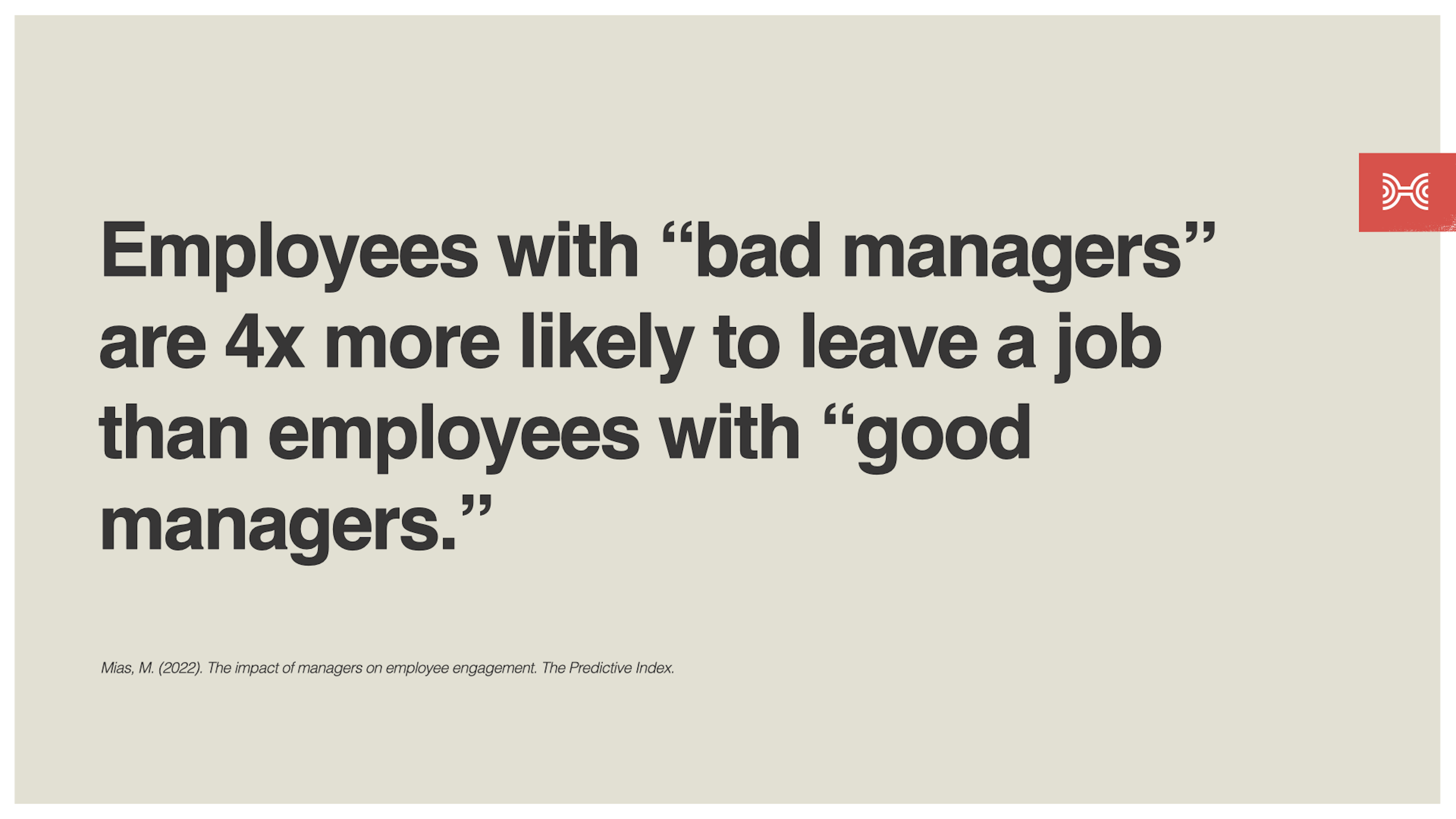
Investing in management-specific training programs allows manufacturers to quickly and efficiently develop critical skills like communication, delegation, and team-building for both new and existing managers. These types of training programs equip supervisors to be more effective in their individual role and also create massive positive impact among their team members and direct reports.
How Does Your Manufacturing Organization Compare?
The 2023 State of Manufacturing in Missouri research report assesses Missouri manufacturers’ biggest challenges, feelings about the future, and the strategies the most successful companies are using to move forward.
See how your experiences and feelings compare to others across the state when you download the full report, presented by Habitat Communication & Culture.